The challenge
Koingnaas sat about 60 km down the coast from Kleinzee, the two operations that made up De Beers’ Namaqualand Mines on the Northern Cape diamond coast. By 2000 the Koingnaas metallurgical plant was in trouble: it broke down more than it ran. The primary stockpile feeding it had zero spare capacity — the plant could not process fast enough for mining to deliver into it, so the whole value chain stalled. Morale was low, and the plant’s P/R ratio sat at just 1.1.
Part of the cause was self-inflicted: over the years, the plant had been modified piecemeal after every major failure — a patchwork of well-meant fixes that had quietly moved the design away from first principles and made the plant more complex, not easier, to run.
The mandate
Having managed maintenance across both sites and repeatedly challenged Koingnaas’ performance, the author was handed the problem directly: take charge of the turnaround, on site, reporting to the Divisional Engineer. Within a week he had relocated to Koingnaas and started on a plant where, on day one, the stockpile was full, mining was blocked, and the plant was failing.
The approach
The programme was disciplined, visual and data-led from day one:
- Fact-finding rhythm. Daily opening and closing meetings were established to capture data and pin down exactly what was failing, when and where — turning anecdote into evidence.
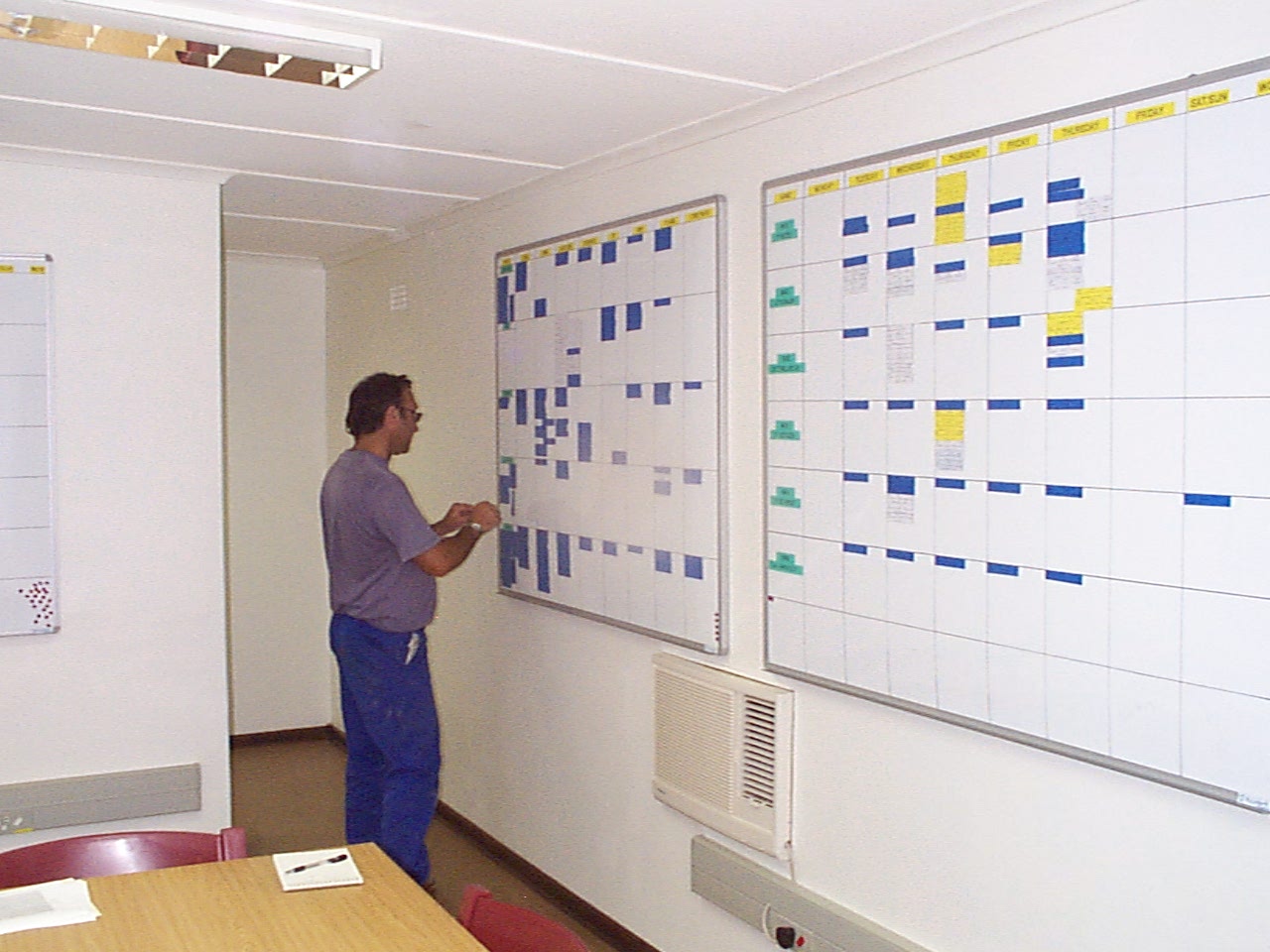
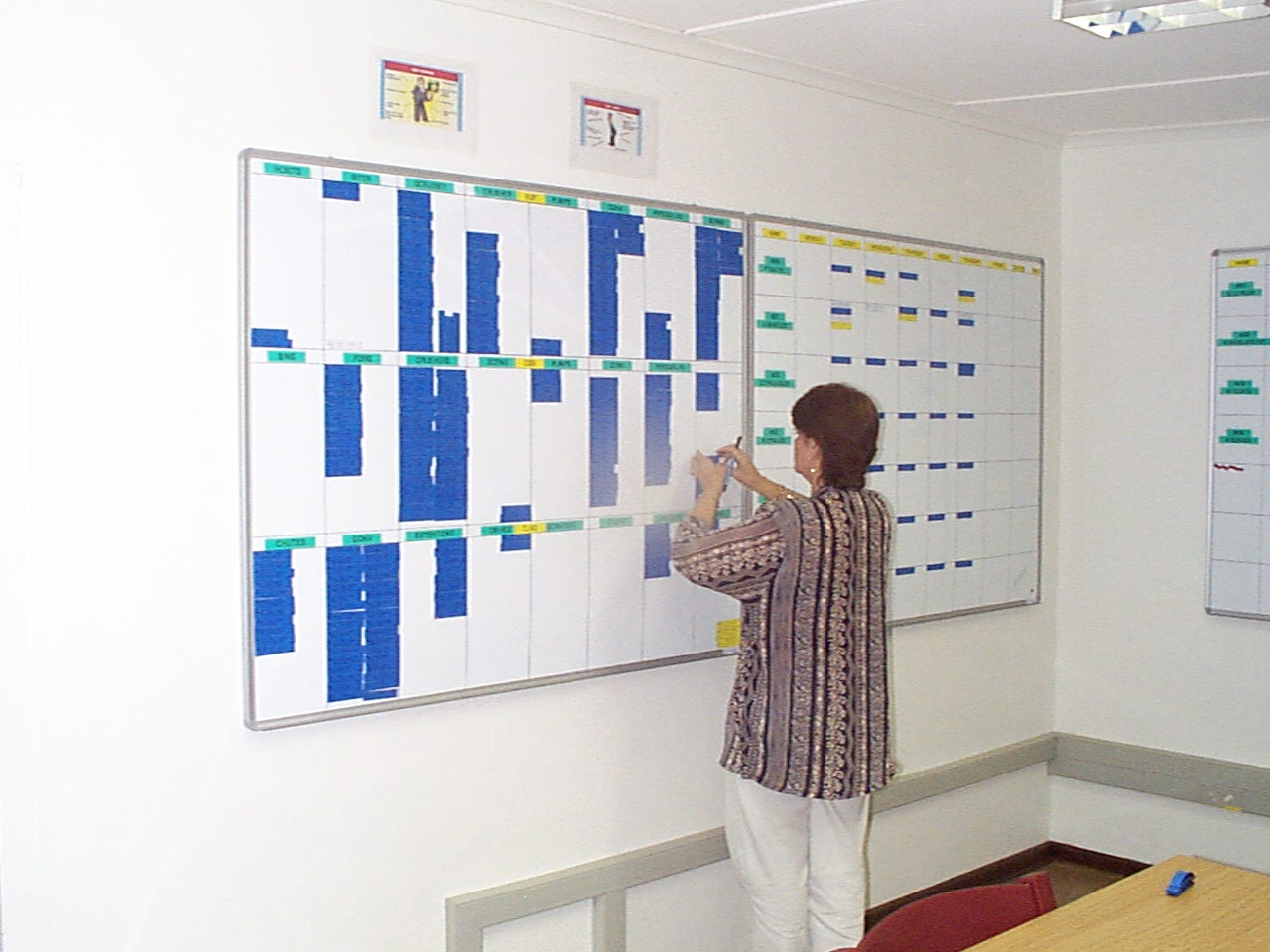
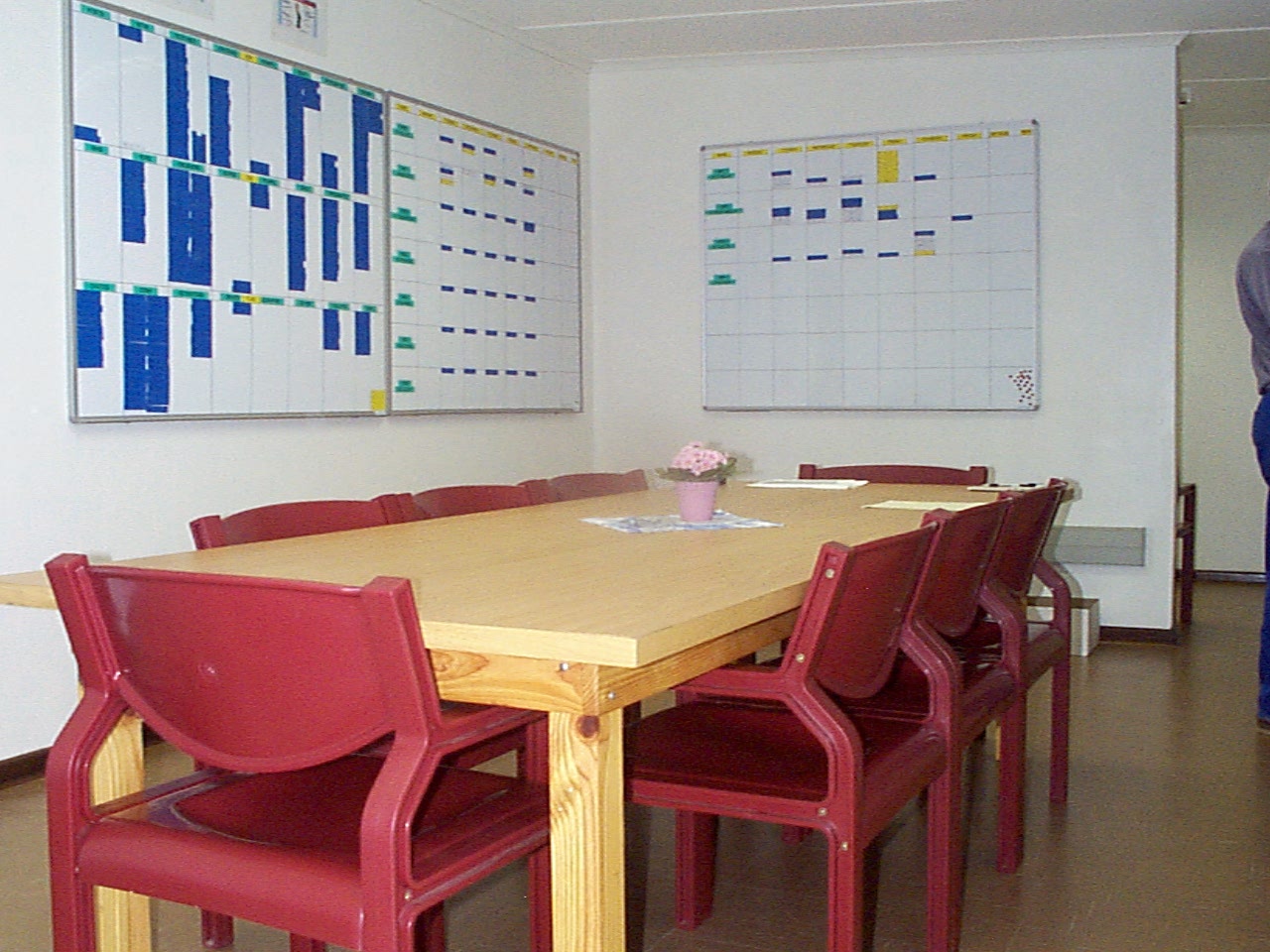
- Visual work management. Two whiteboard systems were introduced — a daily planning-control board and a board capturing all identified work by plant area — making it instantly visible who was doing what, and where the real problem areas were.
- Pareto focus. Effort was concentrated on the vital few. Trivial tasks were stopped — including preventive-maintenance routines that were adding no value — freeing scarce capacity for the work that mattered.
- FMECA and root-cause analysis. Serious FMECA workshopping ranked the failure modes; root-cause failure analysis was applied to recurring problems. The number-one problem was tackled first, then the next, in priority order.
- Targeted investment, protected windows. Securing capital from a plant that wasn’t making money was a real hurdle — the full request wasn’t granted, but enough was secured to fix the top-ranked problems. Maintenance time was protected to implement the changes properly.
- Back to basics. The accumulated ad-hoc modifications were reversed, returning equipment toward its sound original design — one of the single biggest levers in the whole turnaround.
The results
The first win came on the plant feed conveyor — made reliable again. From there the process compounded, one ranked problem at a time. The phone rang less; the firefighting eased. Then the milestone moment arrived: the primary stockpile was gone, and for the first time the plant was waiting on mining to deliver material rather than the other way round. The constraint had flipped.
- P/R ratio improved from 1.1 to 1.6.
- Primary stockpile cleared; plant throughput began to outpace mine supply.
- Fewer safety incidents, rising plant availability and utilisation, and a climbing OEE as the programme took hold.
- Morale restored — “the people smiled again”; mining now had to address its own shortfalls.
- Recognised by head office; the author was promoted to replicate the approach across all operations.
Why it worked
Everything in this turnaround is a pillar of what is now the NJN Practical Asset Management Framework — applied here years before it was written down: criticality and Pareto to find the vital few, FMECA-driven maintenance tactics, visual work-management discipline, defect elimination and root-cause analysis, and the courage to take a plant back to basics. The lesson is consistent with everything NJN teaches: top-quartile reliability is a question of system, not budget or technology.
In the words of the Divisional Engineer
“Exactly so — I applied that very principle at New Vaal Colliery and turned an old fleet of 120,000-hour-plus Hitachi haul trucks around within six months, to a fleet reliability of 90%-plus.”
Steve Möller — Divisional Engineer who managed Koingnaas at the time, and to whom the author reported during the turnaround; later Senior Engineering Manager, now retired. He went on to apply the same approach to a worn Hitachi haul-truck fleet at New Vaal Colliery.